

Thermal Management for Orbital Data Centers (ODCs)
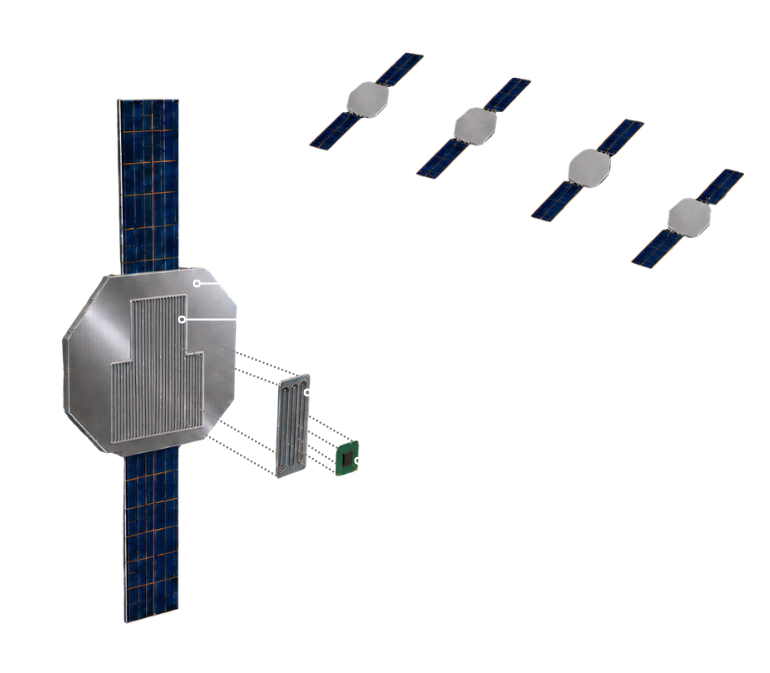
Oscillating Heat Pipes (OHPs) offer a passive, lightweight thermal control solution that reduces system complexity and radically improves heat transfer rates from critical devices to radiator surfaces.
More power. Less mass. Lower cost.
Oscillating Heat Pipes Are
Scalable
1,000+ OHPs delivered monthly and able to scale by orders of magnitude to meet the forecasts of exponential orbital data center growth.
High Performance
OHPs acquire chip-level input heat fluxes at ≥150 W/cm2 and reject kW-class heat loads across meter-scale surfaces at thermal conductances of ≥150 W/K; effectively raising thermal performance ≥2x vs. conventional thermal control systems.
Proven
15+ year designing, developing, manufacturing, and testing space-based thermal systems with 10M+ OHP hours on orbit.
OSCILLATING HEAT PIPES FOR ORBITAL DATA CENTERSWhy OHPs Fit Orbital Data Center SWaP-C Constraints
High Thermal Performance
High effective thermal conductivity OHPs move heat from power-dense processors to remote, large-area radiators with minimal temperature rise, even at high input fluxes.
OHP effective thermal conductivity ~ 5,000 to 100,000 W/mKLow Mass and Volume
Thin, lightweight OHPs are both thermal and structural spacecraft elements that dramatically lower overall launch cost ($/kg).
OHP thickness ~ 1-5 mmOHP mass ~ 60-80% of base material’s
OHP areal densities ~ 3-6 kg/m2
High Heat Flux Capability
OHP heat spreaders acquire, spread, and reject concentrated chip-level heat fluxes at ultra-low temperature differentials using internal working fluid sensible and latent heat transfer.
OHP heat flux limits >300 W/cm2OHP heat transfer rates >50,000 W/m2-K
Ground-to-Orbit Reliability
OHPs operate reliably in rare environmental conditions, including adverse gravity, allowing teams to quickly and cost-effectively validate thermal control systems on the ground and on orbit.
OHP gravitational limits ±1g adverse, 0g on-orbitOHP operating temperatures – typical spacecraft electronics cooling is -20°C to +85°C but OHPs can vary TBD application and material requirements)
Lower Complexity, Higher Assurance
Passively operated OHPs have no moving parts and avoid the pumps, valves, accumulators, and controls required by active pumped-fluid thermal control systems, saving size, weight, power, cost, and complexity across spacecraft assembly, launch, and on-orbit operation.
100% tested to < 1.0E-8 He cc/sec100% tested to 2.5x max expected operating pressure
100% tested at spacecraft max power and max temperature before shipment
Proven Scalability and Quality
ThermAvant delivers thousands of OHPs each month for spacecraft thermal control systems and has invested more than $50M in R&D and manufacturing to meet high-volume, cost-effective orbital data center needs.
AS9100D / ISO 9001 certified10M+ OHP hours on orbit
Current production >1,000 per month
Future production >10,000 per month for ODCs
THERMAVANT PRODUCTSOscillating Heat Pipe Products for Orbital Data Centers
ThermAvant OHP solutions can range from a standalone heat spreader to a fully integrated heat transport and radiator system. Each OHP solution is custom-designed and manufactured to meet the system’s architecture, performance targets, and operating environment.
-
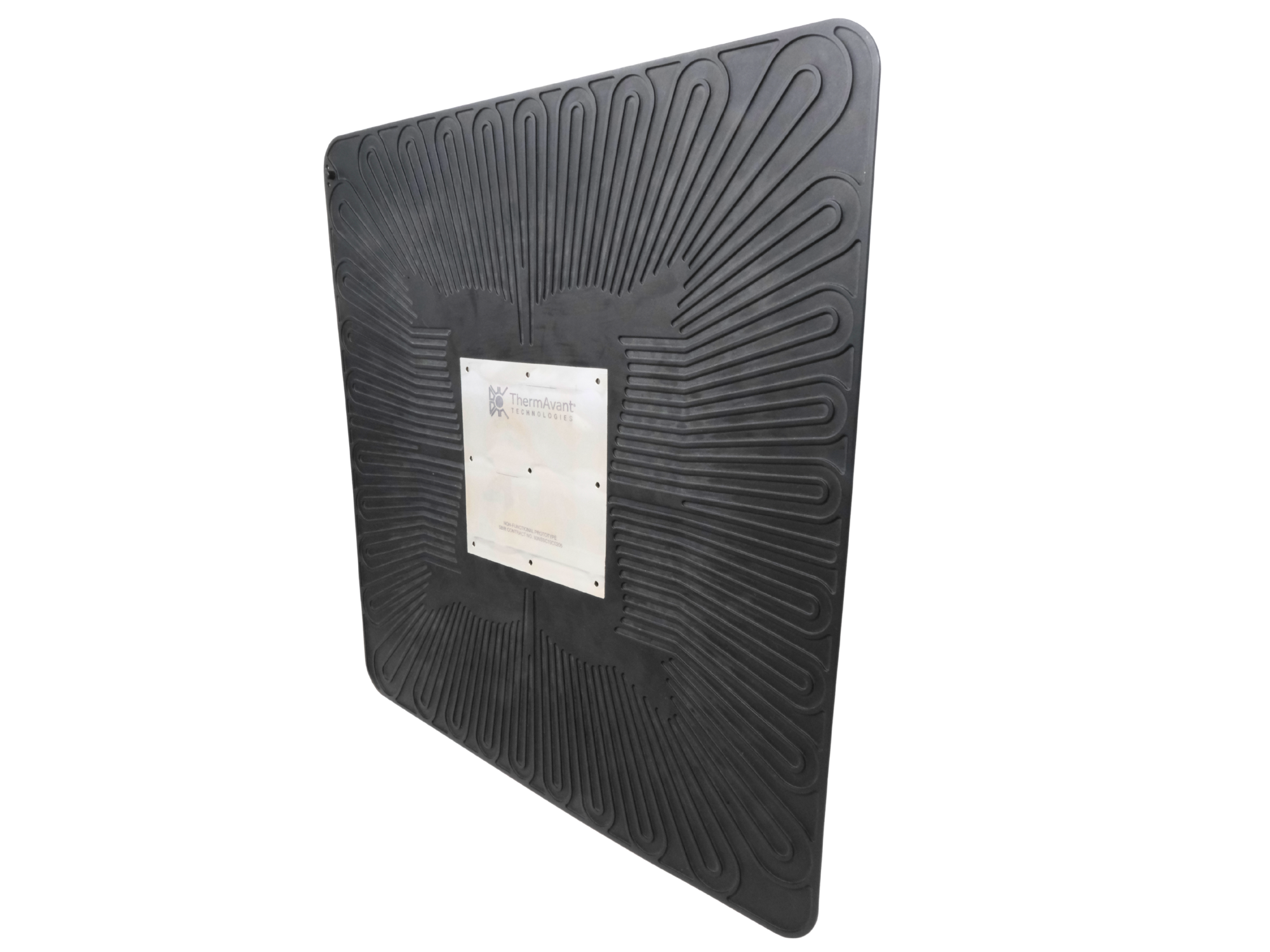
OHP-embedded heat spreaders are designed and produced for kW-level microchips. They acquire and spread concentrated input heat fluxes of more than 100 W/cm² and reject heat at lower fluxes of less than 5 W/cm². This enables ultra-high-power computing platforms to operate on orbit without overheating, while also providing mechanical protection, or packaging, for these critical circuit card components.
kW-class OHP Heat Spreaders
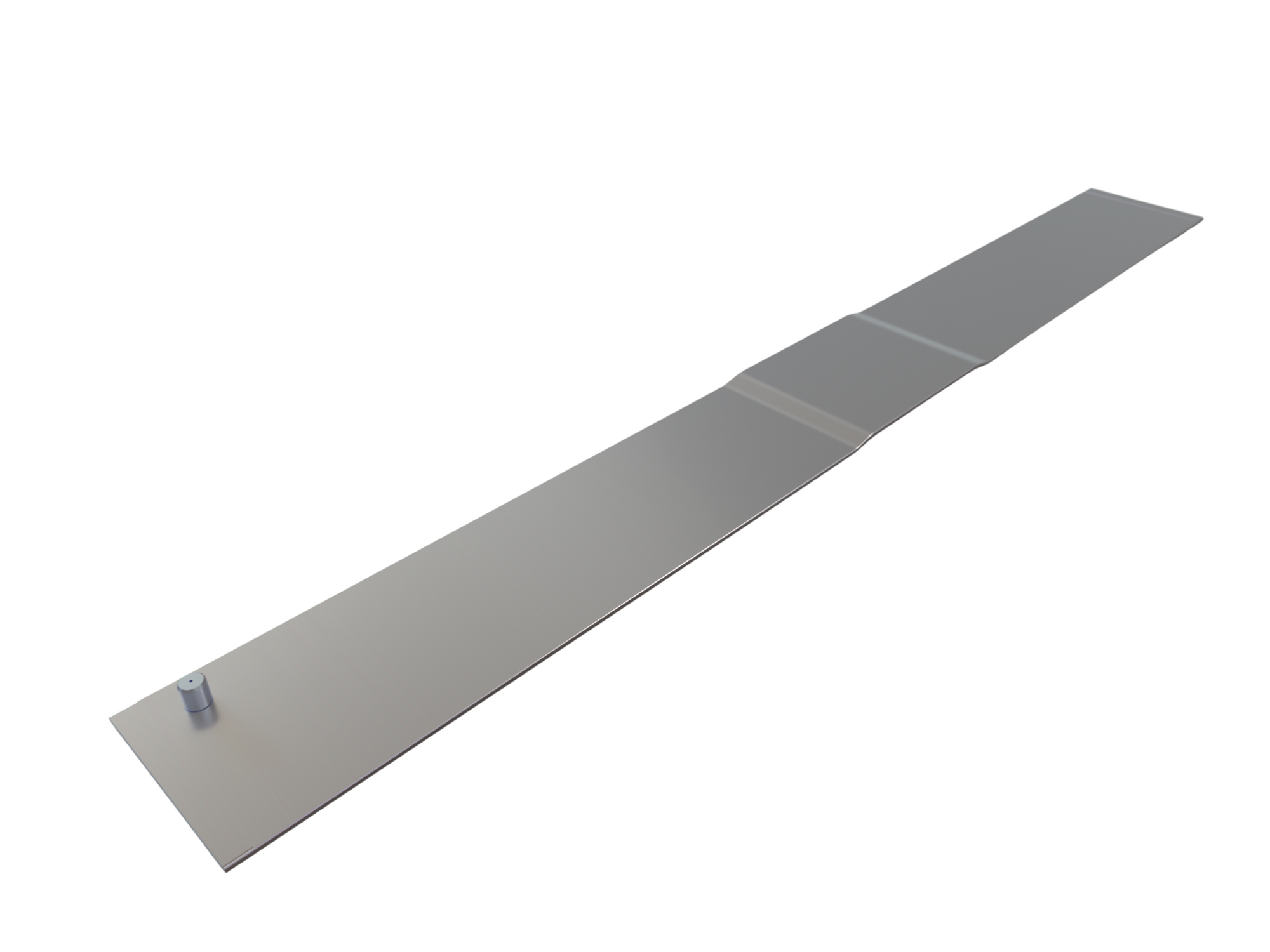
Meter-Scale OHP Heat Transporters
-
OHP-embedded transporters for meter-scale heat transfer utilize passive internal fluid flow to move heat from local devices or subsystems to remote, large-area radiator surfaces. They do so with industry-leading thicknesses, ranging from approximately 1 mm to 4 mm, and customizable three-dimensional flow paths that connect internal payloads to external-facing panels.
-
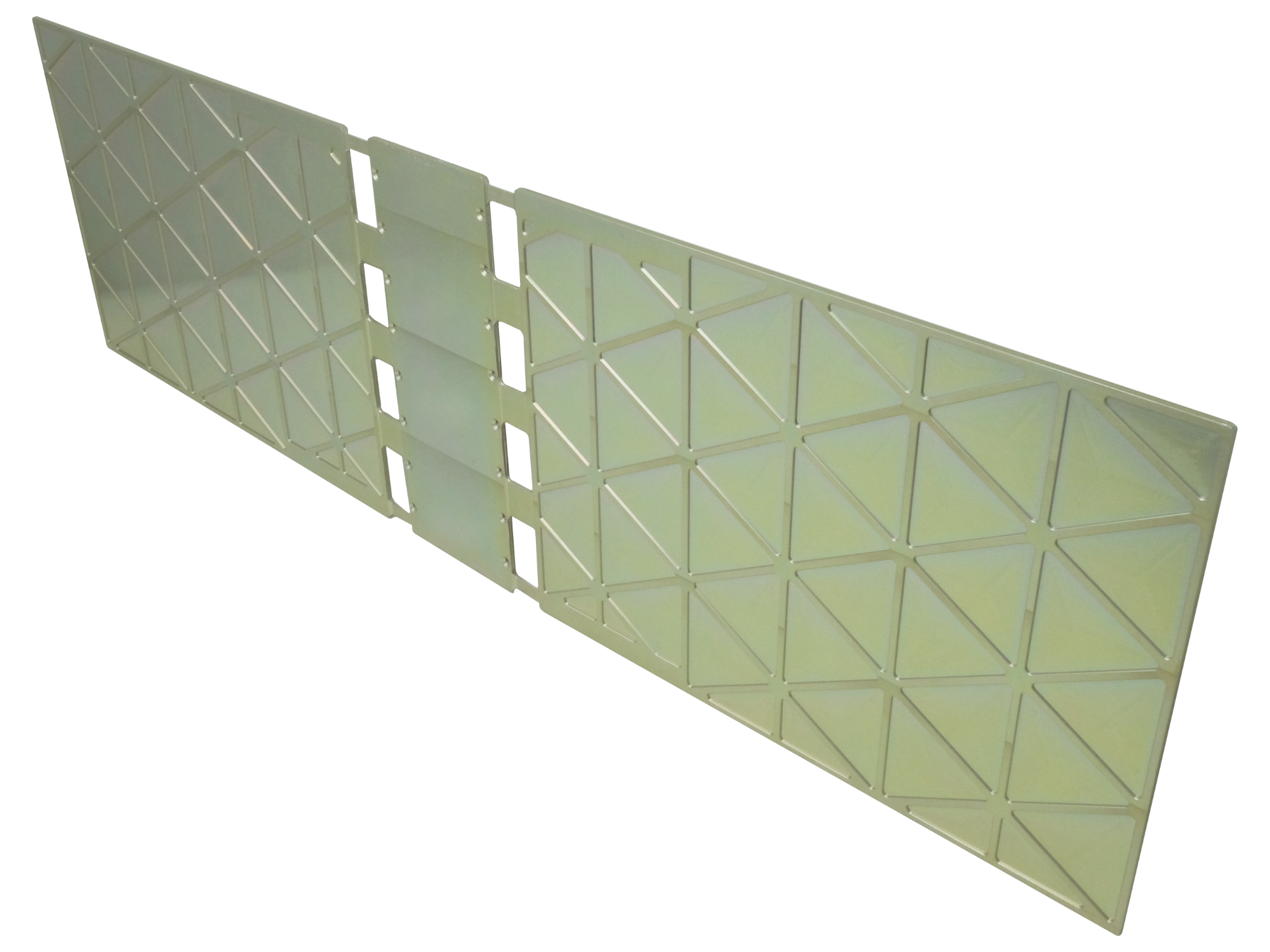
OHP-embedded radiators, or panels, diffuse heat from one or multiple sources at thermal conductances of 50 to 500 W/K, helping to “isothermalize” heat-rejection surfaces and maximize spacecraft-specific power density, such as kW per kg/m².
OHP radiators can be delivered as thin, easy-to-integrate face sheets or as monolithic structural panels, such as the isogrid OHP radiator shown above.
Low Aerial Density OHP Radiators
TECHNOLOGY COMPARISONOHPs vs. Traditional Passive Thermal Control Technologies
Offers high heat-flux acquisition, broad heat spreading, meter-scale transport, and large-area heat rejection. Its thin, lightweight, passive architecture provides an integrated and scalable thermal platform for ultra-high-power space computing.
Excellent thermal conductivity and power-handling capacity. Proven heritage. Note: Use is primarily terrestrial or for specialized space environments where water’s 0°C freezing point is not a risk. Heavier material.
Constant conductance heat pipes most commonly used in spacecraft thermal control. Long heritage. Heat flux limited. Gravity sensitive. Lighter weight than and reliable performance on-orbit with predictable W/M limits of operation.
Common material combinations for space LHPs. Stainless steel or nickel (like Inconel) is typically used for the evaporator body and wick to contain high-pressure ammonia, often paired with aluminum lines and condensers for mass savings. Excellent for longer distances.
HOW WE HELPFrom Concept Design to Flight-Ready OHP Hardware
Map heat loads, constraints, geometry, and mission requirements.
01
Design
Build custom OHP hardware around the actual platform.
02
Manufacture
Test thermal performance across relevant operating conditions.
Test
03
Support repeatable production and flight integration.
04
Scale
Mission-Proven

“MDA Space selects ThermAvant™ Technologies as part of supply chain for MDA AURORA™”

“AFRL, industry launch revolutionary spacecraft technology - Oscillating Heat Pipes”
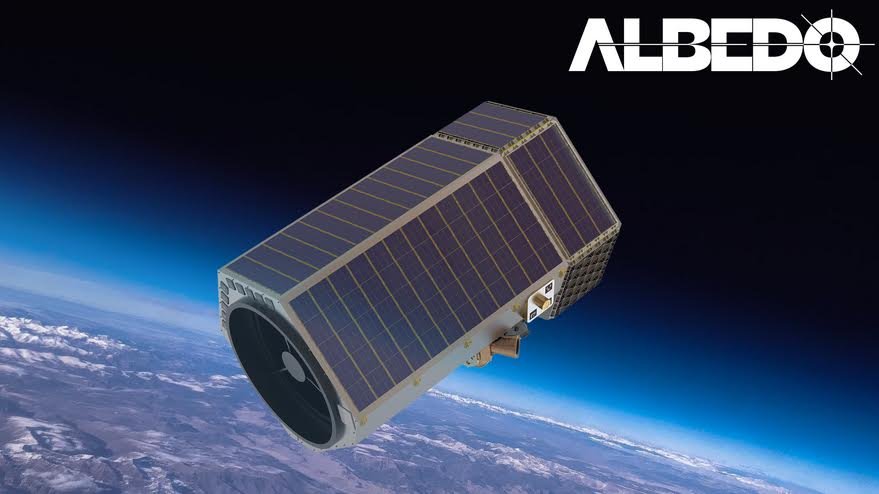
ThermAvant x Albedo Case Study
FAQs re: ODCs & OHPs
-
Mass: Mass directly dictates launch costs; therefore, reducing overall system mass and complexity is paramount to making an Orbital Data Center (ODC) financially viable.
Power: ODCs require massive amounts of power to run onboard processing operations. This necessitates significant fairing volume to accommodate large solar arrays and deployable structures—a requirement that cannot be constrained by secondary or less critical subsystems.
Thermal Control: ODCs rely on high-heat-flux processors that, when arrayed together, generate vast amounts of waste heat. This heat directly limits how much data "product" the ODC can process and deliver. If temperatures rise too high, chips must be throttled to avoid thermal damage, directly capping ODC output. Conversely, space-based heat rejection systems operate most efficiently at higher temperatures. Consequently, minimizing thermal resistance from the critical processors to the radiators and deep space is vital. Lower thermal resistance allows the ODC to push more power and process/transmit more data, all while preserving processor reliability by keeping junction temperatures low.
-
Size (Volume): Minimizing the spatial footprint of the thermal management solution leaves more room for data-processing payloads. Oscillating Heat Pipe (OHP) channels can be embedded directly into payload structures and structural panels, requiring virtually zero additional volume.
Weight (Mass): Mass reduction directly lowers launch and propellant costs. OHPs function as drop-in replacement components for existing structural and thermal support systems, typically resulting in net-zero mass gain or an overall reduction in subsystem weight.
Power: More available power translates directly to higher product output for end customers. However, processor power output is usually bottlenecked by heat dissipation limits.
Cost: Optimizing size, weight, and power collectively drives down total program cost. A properly balanced SWaP approach reduces expense without sacrificing performance. Thermal solutions like OHPs optimize SWaP for high-power-density space platforms by reducing system-level complexity, further trimming overall mission costs.
-
No. When properly designed for expected thermal scenarios, OHPs keep temporal temperature fluctuations to a minimum. While operating an OHP outside its intended thermal design envelope increases the risk of temperature spikes, it does not inherently cause device failure or prevent operation.

Innovations for the Aero-Defense, High-Tech, and Energy Industries
Backed by $50M+ in R&D. Trusted across government and commercial programs.